Planning lunches for a busy week often involves balancing convenience with freshness. Salads are a popular choice, yet they can become limp or soggy within hours when prepared in advance. With a few practical techniques and thoughtful ingredient choices, it is possible to assemble salads on Sunday that remain crisp and enjoyable through Friday. The process focuses on selecting resilient vegetables, managing moisture, and storing components in a way that preserves texture.
The approach described here relies on understanding how different ingredients react over time. Sturdy greens, firm vegetables, and a well-designed dressing routine all contribute to a lunch that stays appealing. Rather than promising guaranteed results, this information outlines methods that have worked for many home cooks. Individual outcomes may vary based on storage conditions, ingredient freshness, and personal preference.
For those who value a midday meal that does not require last-minute assembly, these strategies offer a framework worth exploring. The goal is to simplify the workweek without sacrificing the enjoyment of a fresh-tasting salad.
Choosing the Right Ingredients for Longevity
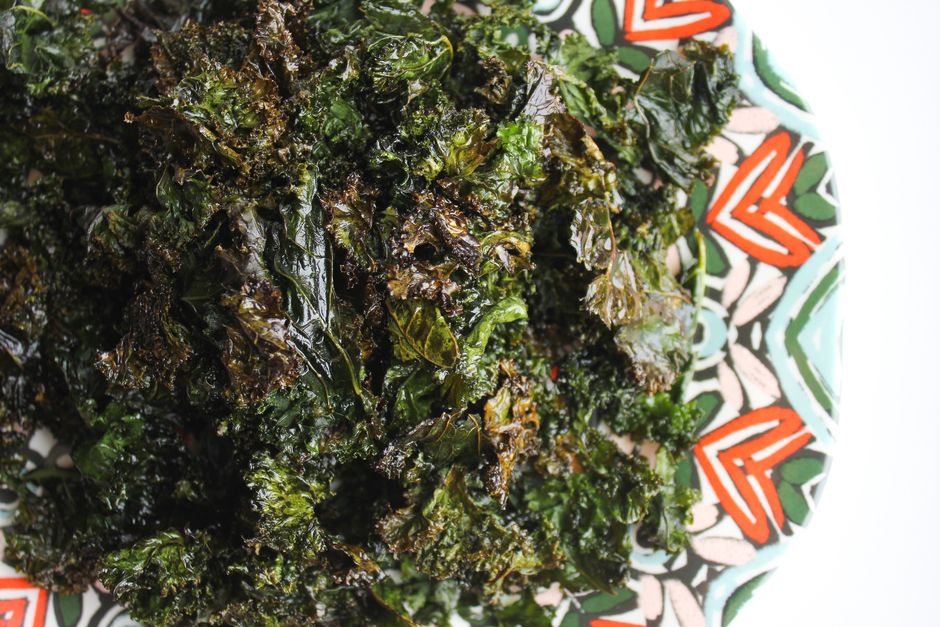
The foundation of a make-ahead salad lies in the ingredients themselves. Leafy greens that are naturally sturdy, such as kale, collard greens, or cabbage, hold up better over several days compared to delicate options like arugula or butter lettuce. These robust greens have thicker cell structures that resist wilting even when dressed in advance. Another option is to use a mix of sturdy and tender greens, placing the tender varieties on top so they are not compressed by heavier ingredients.
Vegetables with lower water content also contribute to longer shelf life. Carrots, bell peppers, cucumbers that have been seeded, cherry tomatoes, radishes, and broccoli florets tend to remain crunchy. Root vegetables like shredded beets or jicama add sweetness and texture without releasing excessive moisture. On the other hand, ingredients such as sliced tomatoes, avocado, or citrus segments should be added just before serving, as their high water or oil content can accelerate spoilage. If these items are essential to the salad, they can be packed separately and combined at mealtime.
Proteins like grilled chicken, canned beans, chickpeas, tofu, or hard-boiled eggs can be included without issue, provided they are cooked and cooled properly. Grains such as quinoa, farro, or brown rice add substance and absorb minimal dressing, making them suitable for make-ahead preparations. Nuts and seeds contribute crunch and healthy fats, but toasting them lightly and adding them at the last moment helps maintain their texture.
Mastering the Dressing Strategy
Dressing is often the main cause of salad deterioration. When greens sit in a moist environment, they lose their structure. The solution is to keep the dressing separate until the salad is eaten. Alternatively, a small amount of a sturdy emulsion can be applied to heartier greens without causing immediate wilting. For those who prefer a fully assembled salad, a vinaigrette with a higher ratio of oil to acid generally coats leaves more gently than a watery dressing.
Another effective method involves placing the dressing at the bottom of the container and layering other ingredients on top. This creates a barrier that prevents direct contact with the greens until the salad is tossed. A simple vinaigrette made with olive oil, vinegar, mustard, and herbs works well because the oil-based mixture does not saturate the leaves as quickly as a cream-based dressing. If a creamy dressing is desired, it can be packed in a small separate container or applied only to grains and vegetables in a distinct layer.
When preparing the dressing, it is helpful to keep it in a sealed jar or container within the same lunch bag. This allows the individual to add it at the time of eating, ensuring each bite remains crisp. For those who prefer an all-in-one container, the layering technique described in the next section offers a practical alternative.
Building a Balanced Jar or Container
Layering ingredients in a glass jar or a divided container is a widely used technique for make-ahead salads. The order matters because it affects how moisture moves through the contents. The general principle is to place wet or acidic components at the bottom and dry, delicate items at the top. A typical sequence starts with the dressing, followed by hearty vegetables or grains, then proteins, seeds, and finally the greens on top.
For example, a jar might begin with a tablespoon of vinaigrette. Over that, add sliced cucumbers, cherry tomatoes, and shredded carrots. Next, layer cooked quinoa and chickpeas. Then sprinkle sunflower seeds and dried cranberries. Finally, fill the rest of the jar with packed kale or chopped romaine. When it is time to eat, the contents are emptied into a bowl and tossed, allowing the dressing to coat everything evenly without previous contact with the greens.
This approach works well for portion control and transportation. Wide-mouth jars are easy to fill and clean, but any airtight container with a tight seal will suffice. The key is to avoid overfilling, as compression can lead to bruising. Similarly, leaving a small air gap helps maintain texture. For those who prefer modular containers, a bento-style box with separate compartments can keep each ingredient distinct until assembly.
Storage and Portioning Tips
Refrigeration temperature and humidity play a role in how long a make-ahead salad remains fresh. Salads should be stored at a consistent temperature below 40°F (4°C), preferably in the main compartment of the refrigerator rather than the door, where temperature fluctuations are more common. Placing a paper towel inside the container can absorb excess moisture, which helps prevent sogginess. This is especially useful for ingredients like washed greens that may still carry some water.
Portioning salads into individual containers at the time of preparation reduces the need to open and close a large bowl repeatedly, which introduces warm air and bacteria. Each serving should be sealed tightly and labeled with the day it was made. Most salads prepared with the strategies described here remain enjoyable for three to five days, though the exact duration depends on the freshness of the ingredients and the care taken during storage.
Adding crunchy toppings like croutons, tortilla strips, or crispy chickpeas is best done just before serving. These items can be stored in a small separate bag or a dedicated compartment within the lunch container. Nuts and seeds, if added during assembly, should be placed above the dressing layer to minimize moisture exposure. Similarly, cheese such as feta or cheddar can be included, but grating or crumbling it right before eating preserves its texture.
Sample Combinations and Variations
While the principles above apply broadly, experimenting with different flavor profiles can keep make-ahead lunches interesting. One combination uses a lemon-tahini dressing with shredded kale, roasted sweet potatoes, black beans, and pumpkin seeds. The sturdy kale stays firm, and the tahini dressing clings well without making the leaves limp. Another variation pairs a balsamic vinaigrette with farro, roasted beets, goat cheese, and a handful of arugula layered on top. The arugula, being slightly delicate, benefits from being placed at the top of the jar.
For those who prefer a Mediterranean approach, a red wine vinaigrette with cucumber, tomato, red onion, chickpeas, and romaine lettuce offers a refreshing option. The romaine holds up reasonably well, but replacing it with chopped cabbage extends the freshness even further. An Asian-inspired salad might include a ginger-sesame dressing, shredded carrot, edamame, bell pepper strips, and a base of napa cabbage or bok choy. Adding crunchy wonton strips separately maintains their crispness.
These examples are not prescriptive; they simply illustrate how different ingredients can be arranged using the same layering and storage techniques. The flexibility of this method allows for adaptation to dietary preferences, seasonal availability, and personal taste. By focusing on the process rather than rigid recipes, anyone can create a weekly lunch routine that feels fresh and satisfying.