One-Pot Chicken and Rice Dinner for Busy Families
One-pot cooking has become a practical solution for households navigating tight schedules and limited time for meal preparation. The concept revolves around preparing an entire dish using a single cooking vessel, which not only reduces the number of dishes to wash but also allows flavors to meld together in a cohesive way. Among the many one-pot options available, a chicken and rice combination stands out for its simplicity, versatility, and ability to satisfy a range of tastes. This approach is especially appealing for families who need a reliable dinner that can be assembled with minimal effort while still providing a balanced meal.
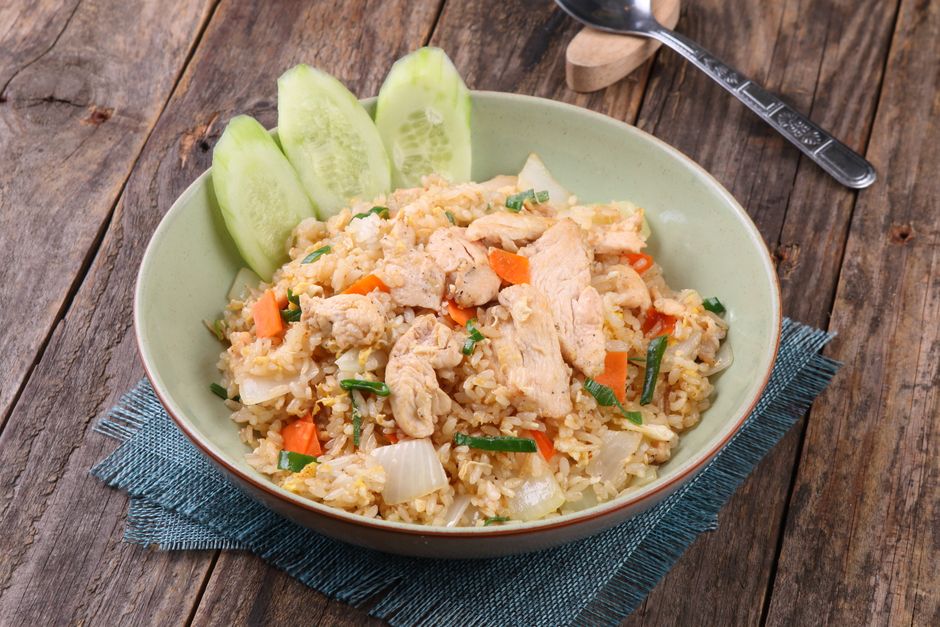
The appeal of a one-pot chicken and rice dinner lies in its straightforward process and the way it uses common pantry ingredients. By cooking everything together, the rice absorbs the juices from the chicken and any aromatics or vegetables added to the pot, resulting in a dish where each component complements the others. For busy families, this method offers a way to prepare a hearty evening meal without dedicating hours to the kitchen. Additionally, the leftovers from such a dish can be stored and reheated for subsequent lunches or dinners, adding to its practicality.
Understanding the basic principles behind a one-pot chicken and rice recipe can help home cooks adapt it to their own preferences and available ingredients. The following sections explore the methodology, ingredient choices, preparation steps, and possible variations that make this dish a dependable option for weeknight cooking.
Understanding the One-Pot Approach
The one-pot method relies on layering ingredients in a single vessel so that they cook together, often starting with aromatics and then adding protein, grains, and liquid. This technique is not new; many cuisines around the world have versions of rice-based dishes cooked in one pot, such as pilafs, jambalaya, or arroz con pollo. The essential idea is that the rice cooks in the liquid that also seasons the chicken, creating a unified texture and flavor profile.
One of the advantages of this approach is the reduction of cleaning time after the meal. Instead of using separate pans for browning chicken, sautéing vegetables, and boiling rice, everything happens in one pot. This does not mean that the process is necessarily faster in terms of total cooking time, but it streamlines the workflow and minimizes the number of utensils required. For families with children helping in the kitchen, this simplicity can also make it easier to involve younger cooks.
Another factor worth noting is the way the ingredients interact during cooking. As the chicken releases its natural juices and fat, these liquids contribute to the overall moisture and flavor of the rice. Meanwhile, any herbs, spices, or vegetables added to the pot infuse the dish gradually. This gentle layering of flavors often leads to a more cohesive final result compared to cooking components separately and combining them later.
Key Ingredients and Their Roles
Choosing the right ingredients influences both the texture and taste of a one-pot chicken and rice dinner. The type of chicken used can vary based on personal preference and availability. Bone-in, skin-on pieces such as thighs or drumsticks tend to add more richness to the dish because the bones and skin contribute collagen and fat during cooking. Boneless, skinless chicken breasts or thighs are also common choices for those who prefer leaner meat or want to reduce cooking time.
Rice selection matters as well. Long-grain white rice, such as basmati or jasmine, produces separate, fluffy grains when cooked properly. Medium-grain rice yields a slightly stickier texture, while brown rice requires more liquid and a longer cooking time. The recipe may need adjustment depending on the rice variety, as the absorption rates differ. Many one-pot recipes call for rinsing the rice beforehand to remove excess starch, which can help prevent the dish from becoming overly sticky.
Aromatics and vegetables form the flavor base. Common additions include onions, garlic, carrots, celery, or bell peppers. These are typically sautéed at the beginning to soften and release their flavors before adding the chicken and rice. Seasonings such as salt, pepper, paprika, thyme, or bay leaves can be incorporated at different stages. Liquid is usually water or broth, with chicken broth adding another layer of savory depth. The ratio of liquid to rice is critical; too little can result undercooked rice, while too much may lead to a mushy texture. A typical ratio for white rice is about two parts liquid to one part rice, but this can vary based on the other ingredients and cooking time.
Step-by-Step Preparation Process
The preparation of a one-pot chicken and rice dinner generally follows a sequence that begins with heating a small amount of oil or butter in a large pot or Dutch oven over medium heat. Once the pot is hot, aromatics such as diced onions and minced garlic are added and cooked until softened, which usually takes a few minutes. This step helps build a foundation of flavor.
Chicken pieces are then added to the pot, often after seasoning them with salt and pepper. They are browned on all sides, though the goal is not necessarily to cook them through at this stage. Browning creates a golden crust that adds depth to the final dish. After the chicken is browned, it may be temporarily set aside, or left in the pot depending on the recipe. Next, uncooked rice is stirred into the pot, along with any additional vegetables or seasonings. The rice is typically toasted for a minute or two, which can enhance its nutty flavor.
Liquid, such as broth or water, is then poured in, and the mixture is brought to a gentle boil. The chicken pieces are usually returned to the pot, nestled into the rice and liquid. The pot is covered with a tight-fitting lid, and the heat is reduced to a low simmer. The dish cooks covered for approximately 20 to 30 minutes for white rice, or longer for brown rice. During this time, the rice absorbs the liquid and the chicken finishes cooking. It is generally recommended to avoid stirring the pot once the lid is on, as excessive stirring can break apart the chicken and cause the rice to release starch, leading to a gummy texture.
After the cooking time is complete, the pot is removed from the heat and allowed to rest covered for a few minutes. This rest period allows any remaining steam to finish the cooking process and helps the rice settle. Finally, the dish is fluffed with a fork and checked for seasoning before serving.
Adapting the Recipe to Dietary Preferences
One of the strengths of a one-pot chicken and rice dinner is its flexibility. The basic framework can be adjusted to accommodate different dietary needs or simply to vary the flavor profile. For those who prefer a lower-fat option, skinless chicken breasts or thighs can be used, and the amount of oil in the initial sauté can be reduced. The dish can also be made dairy-free by using oil instead of butter and ensuring the broth contains no dairy.
Vegetable additions are easy to customize. Beyond the classic mirepoix of onions, carrots, and celery, one can incorporate mushrooms, zucchini, peas, or spinach near the end of cooking for added color and nutrients. For a richer flavor, tomato paste or diced tomatoes can be stirred in along with the liquid. Spices and herbs offer further variation; cumin, coriander, and turmeric give a more Middle Eastern or Indian character, while smoked paprika and oregano lean toward a Spanish or Mexican influence.
Those following a gluten-free diet need to verify that the broth and any seasonings used are free of gluten, which is usually the case. For individuals who avoid poultry, the chicken can be replaced with sausage, tofu, or chickpeas, though cooking times may need adjustment. Brown rice, quinoa, or farro can substitute for white rice, but each grain requires different liquid ratios and cooking durations. It is advisable to consult a reliable source for specific measurements when substituting grains to ensure proper texture.
Planning for Leftovers and Meal Prep
One-pot chicken and rice dishes lend themselves well to leftovers and advance preparation. Because the dish combines protein, grains, and vegetables in one container, it can be portioned into individual servings for easy reheating throughout the week. Proper storage is important to maintain food safety and quality. The cooked dish should be cooled within two hours of cooking and then transferred to airtight containers. Refrigerated leftovers typically remain safe to eat for three to four days.
When reheating, adding a small amount of water or broth can help restore moisture, as the rice may dry out slightly during storage. Reheating in a microwave or on the stovetop with a covered pan works well. For longer storage, portions can be frozen in freezer-safe containers for up to three months. Thawing overnight in the refrigerator before reheating is recommended to preserve texture.
For families who like to plan meals ahead, the one-pot chicken and rice recipe can be prepared in larger batches specifically to create leftovers. This reduces the need to cook on subsequent days and can help streamline weekly meal schedules. The versatility of the dish also means that leftovers can be repurposed into other meals, such as stuffing for bell peppers, a base for soup, or a filling for wraps. With a little creativity, the same batch can serve multiple purposes without becoming repetitive.